Arcade Foundations Shaping Modern Handheld Multiplayer Puzzle Evolution
Written by Rafael Friedrich · Oct 28, 2026
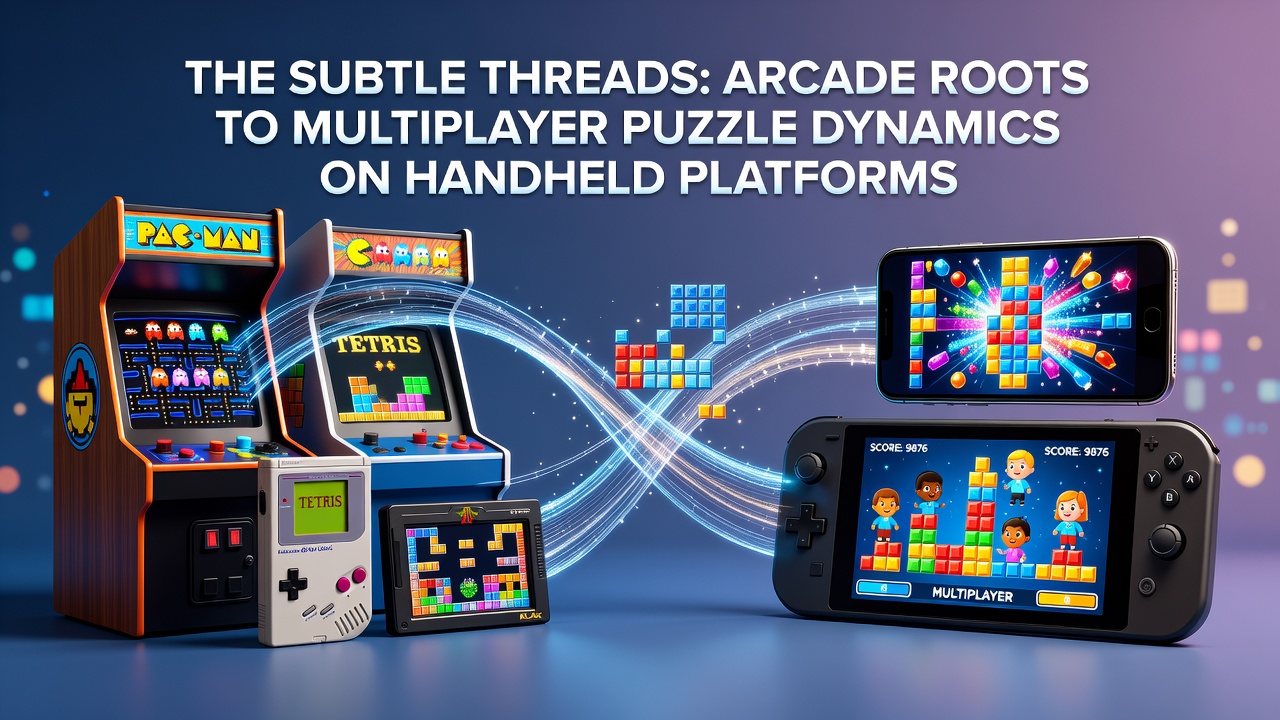
Arcade Foundations Shaping Modern Handheld Multiplayer Puzzle Evolution
Classic arcade games established core mechanics that continue to influence handheld puzzle design, with titles like Tetris and Puzzle Bobble introducing block-matching and chain reactions that developers later adapted for portable screens. These early systems relied on simple controls and immediate feedback loops, elements that researchers at institutions such as the University of California have documented in studies tracking design continuity across decades. Data from industry reports indicate that these foundational patterns persist because they translate efficiently to smaller devices without requiring extensive hardware resources.
Early Arcade Mechanics and Their Portable Adaptations
Arcade cabinets from the 1980s emphasized quick sessions and escalating difficulty, features that aligned naturally with the battery life and touch interfaces of modern handhelds. Observers note how games such as Columns on Sega systems prefigured color-matching puzzles now common on Nintendo Switch and smartphone platforms. Those who've examined code repositories find direct lineage in scoring systems and level progression structures that reward repeated play. According to figures from the Entertainment Software Association, puzzle genres accounted for a significant share of mobile downloads in recent years, reflecting sustained interest in these inherited systems.
Handheld developers refined single-player loops from arcade origins into asynchronous multiplayer formats, where players compete or cooperate across separate devices. This shift occurred as connectivity improved, allowing features like shared leaderboards and real-time exchanges that extend engagement beyond the original coin-operated model. Research indicates that such adaptations maintain the core tension of arcade competition while accommodating fragmented play sessions typical of portable use.
Multiplayer Dynamics Emerging on Portable Devices
Multiplayer elements in handheld puzzles often build on arcade versus modes, yet they incorporate network layers that enable global participation. One study from European research centers highlighted how latency management in mobile networks supports simultaneous block placement and chain reactions across continents. Players connect through apps that mirror the head-to-head setups once limited to adjacent cabinets, expanding the participant pool without physical proximity. Statistics compiled by Canadian digital media analysts show rising engagement in these formats during 2025 and into October 2026, coinciding with hardware updates that improved wireless performance on mid-range devices.
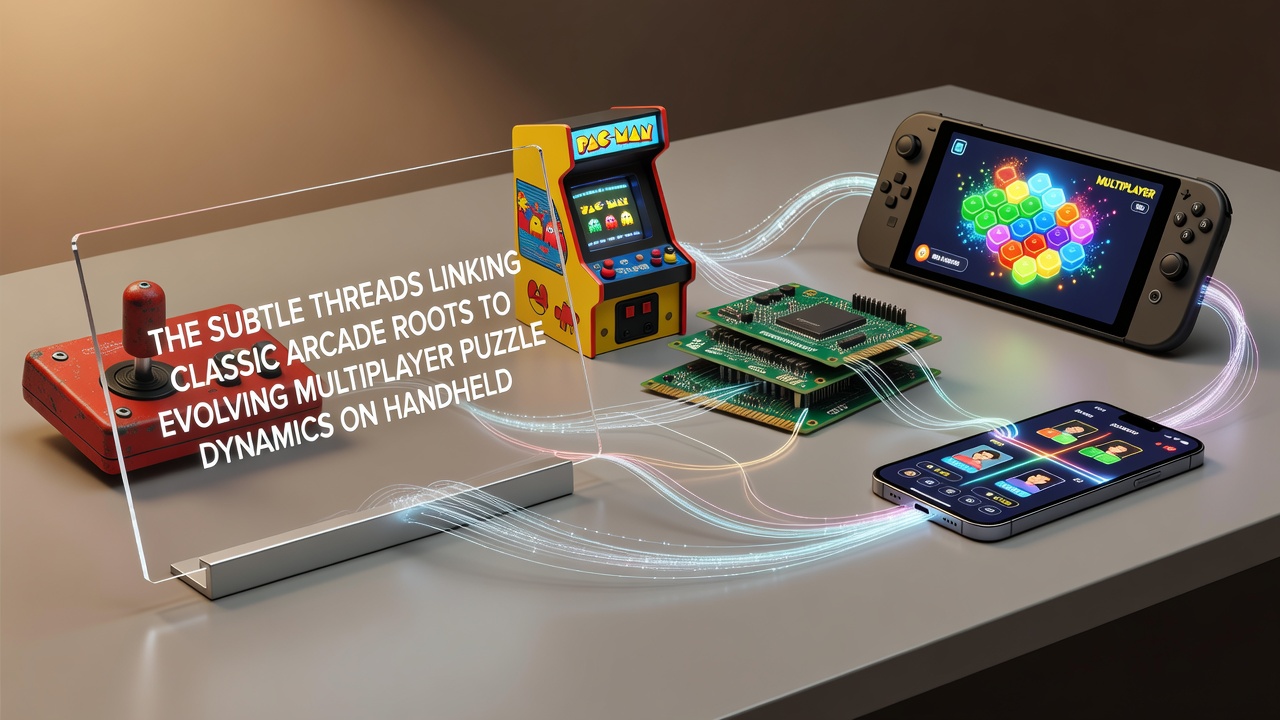
Designers integrate social features such as guild challenges and collaborative clearing objectives, elements that extend arcade survival mechanics into sustained group activities. Those monitoring platform data observe that these additions increase retention rates compared to solo variants alone. The transition draws from established patterns in games like Dr. Mario, where matching sequences now support team-based scoring in portable environments. Evidence from academic papers on interaction design confirms that visual clarity and input simplicity remain priorities when scaling these experiences to touchscreens.
Platform-Specific Evolutions and Design Patterns
Handheld ecosystems introduce constraints and opportunities that reshape arcade-derived puzzles. Smaller displays favor minimalist graphics and intuitive gestures, while always-on connectivity facilitates persistent worlds that evolve through collective player input. Reports from Australian government digital economy reviews note steady growth in cross-platform puzzle titles that preserve competitive integrity across regions. Developers frequently cite the need to balance accessibility for casual users with depth for dedicated competitors, a balance first tested in arcade settings.
Examples include ports and remakes that layer modern matchmaking onto classic rulesets, allowing sessions that last minutes yet contribute to larger seasonal rankings. Observers tracking October 2026 releases point to several titles that explicitly reference 1980s mechanics in their promotional materials while implementing cloud saves and friend invites. These updates maintain the rapid feedback that defined arcade play, adapted for brief commutes or waiting periods common in daily routines.
Conclusion
Threads connecting arcade origins to current handheld multiplayer puzzles appear in mechanics, pacing, and competitive structures that have endured through technological changes. Data from multiple regions demonstrate continued commercial viability for titles that honor these roots while expanding participation through network features. Researchers continue to document how these evolutions preserve core engagement principles across generations of devices and player communities.